
Pathology: Imbalance Determines When, Structure Determines Where
Feb 04, 2026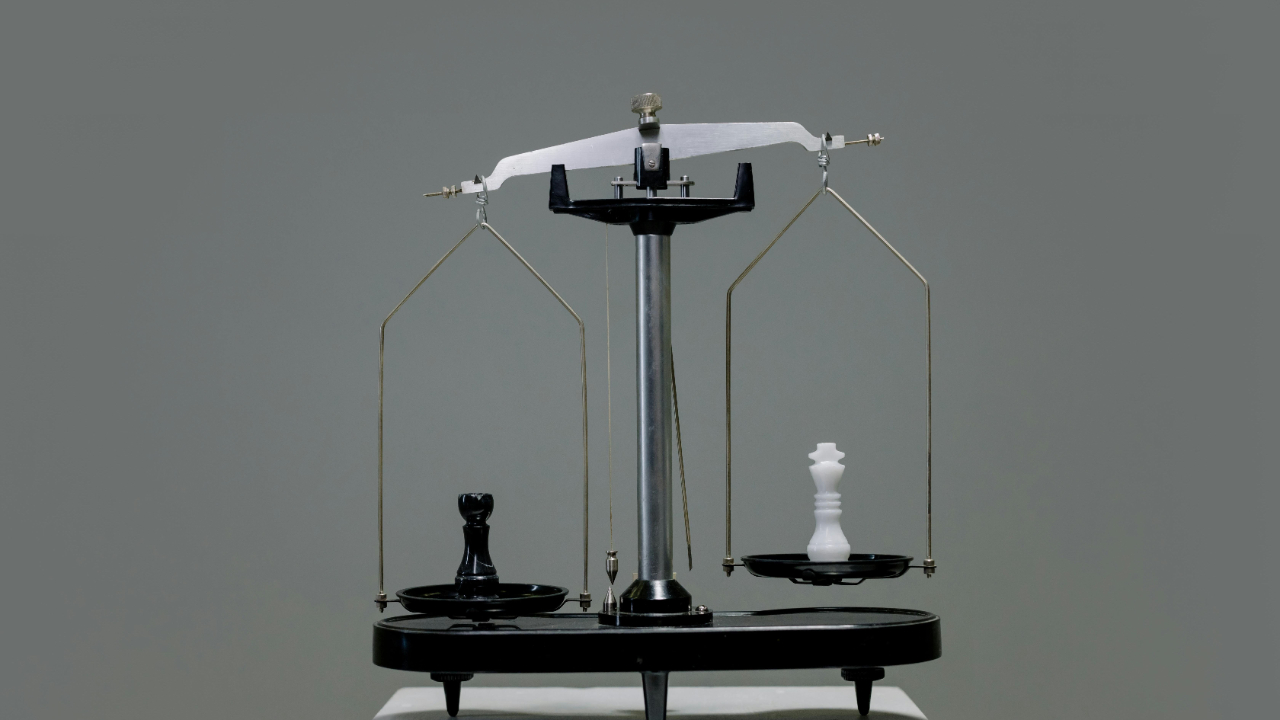
Why is that achy knee acting up again? Is it that last set of lunges you did? Or what caused your autoimmune disease to flare up? It’s easy to blame that one thing, but the truth is, it’s been a slow burn going on in the background and you reached a tipping point. When it comes to any maladies; pain, injury, or chronic disease, it’s the build up of imbalance that determines when things flare up. Your most vulnerable tissue or system, like a canary in a coalmine, determines where the malady sets in.
Imbalance determines when, structure determines where.
This idea bridges biomechanics, neurology, immunology, and systems biology. It explains why two people can experience similar stress yet develop entirely different symptoms. It also explains why treating only the site of pain so often fails.
What Do We Mean by Imbalance?
Imbalance refers to a loss of equilibrium in the body’s regulatory systems. This includes metabolic imbalance such as blood sugar swings or nutrient deficiencies, hormonal imbalance involving cortisol, thyroid, or sex hormones, nervous system imbalance with chronic sympathetic activation, immune imbalance marked by excessive or misdirected inflammation, and load imbalance from repetitive movement or poor recovery.
Imbalance is primarily a timing issue. It answers the question: Why now? Why did symptoms appear this year instead of five years ago? Why did pain start after a stressful period even though the movement pattern existed long before?
As imbalance accumulates, the body’s ability to adapt shrinks. Recovery capacity decreases. Tissue repair slows. Immune tolerance weakens. Eventually, the system crosses a threshold, and pathology emerges.
What Do We Mean by Structure?
Structure refers to the physical and anatomical characteristics of the body. This includes joints, muscles, ligaments and tendons, the gut, or whole systems such as the pulmonary system.
Structure determines location. It answers the question: Why here? Why does inflammation land in the knees for one person and the gut for another? Why does stress show up as neck pain in one individual and autoimmune thyroid disease in another?
The body tends to express breakdown at its weakest link. That weak link is often structural.
Pain and Injury Through This Lens
Consider a runner with subtle hip weakness and limited ankle mobility. Structurally, those joints are less capable of distributing load. The runner may train for years without injury because overall balance is sufficient. Sleep is good. Stress is low. Nutrition supports recovery.
Now introduce imbalance. Poor sleep. Increased work stress. Higher training volume. Less recovery time. Chronic inflammation rises and tissue repair lags.
The injury does not occur because the structure suddenly changed. It occurs because imbalance reached a point where the structure could no longer keep up.
Autoimmune Disease Follows the Same Rules
Autoimmune flares are often described as mysterious or random. In reality, they follow patterns that make sense when viewed through this framework.
Immune imbalance builds over time due to chronic stress, infections, gut permeability, nutrient deficiencies, or hormonal disruption. This answers the when. Why symptoms appeared after childbirth, a viral illness, or a prolonged stressful period.
Structure answers the where. Why one person develops autoimmune thyroid disease, another inflammatory bowel disease, and another rheumatoid arthritis.
Areas with high immune activity, frequent mechanical stress, dense connective tissue signaling, or prior injury become preferred targets. The immune system expresses dysfunction where signaling is loudest and resilience is lowest.
Why Imaging and Labs Alone Miss the Full Picture
Imaging shows structure but not timing. Labs often show imbalance but not location. Treating only what shows up on an MRI ignores why the tissue failed when it did. Treating only abnormal lab values ignores why symptoms localize to specific tissues.
True resolution requires understanding both sides of the equation.
Clinical Implications
If imbalance determines when pathology arises, then improving sleep, regulating blood sugar, supporting the nervous system, and reducing inflammatory load can delay or prevent breakdown even when structural imperfections exist.
If structure determines where pathology appears, then improving strength, range of motion, and load management can reduce symptom expression even in the presence of systemic stress.
This is why the most effective care does not ask only “Where does it hurt?” or “What lab is abnormal?” It asks:
Why now? Why here? What tipped the system over the edge? Where is the body least adaptable?
My Take
Pain, injury, and chronic disease are signals from the body. It’s alerting you areas of vulnerability. If you’re able to fix that vulnerability, the next weakest link shows up. Fix that one, and keep going down that path. That’s the true way to become resilient.
If you want to help identify potential stressors, download this workbook.